
Hotel management
What is a hostel PMS? Test beds, private rooms and shared inventory
Choose a hostel PMS by testing individual beds, private rooms, maintenance blocks and whole-dorm bookings. Use a practical demo checklist before buying.
The short answer
A hostel PMS manages reservations and daily operations around the units a hostel sells: individual beds, private rooms or both. Before buying, test bed availability, room-wide blocks and overlapping whole-dorm sales. BirOtel is a room-based PMS; bed-level inventory is not confirmed and must be verified in a demonstration.
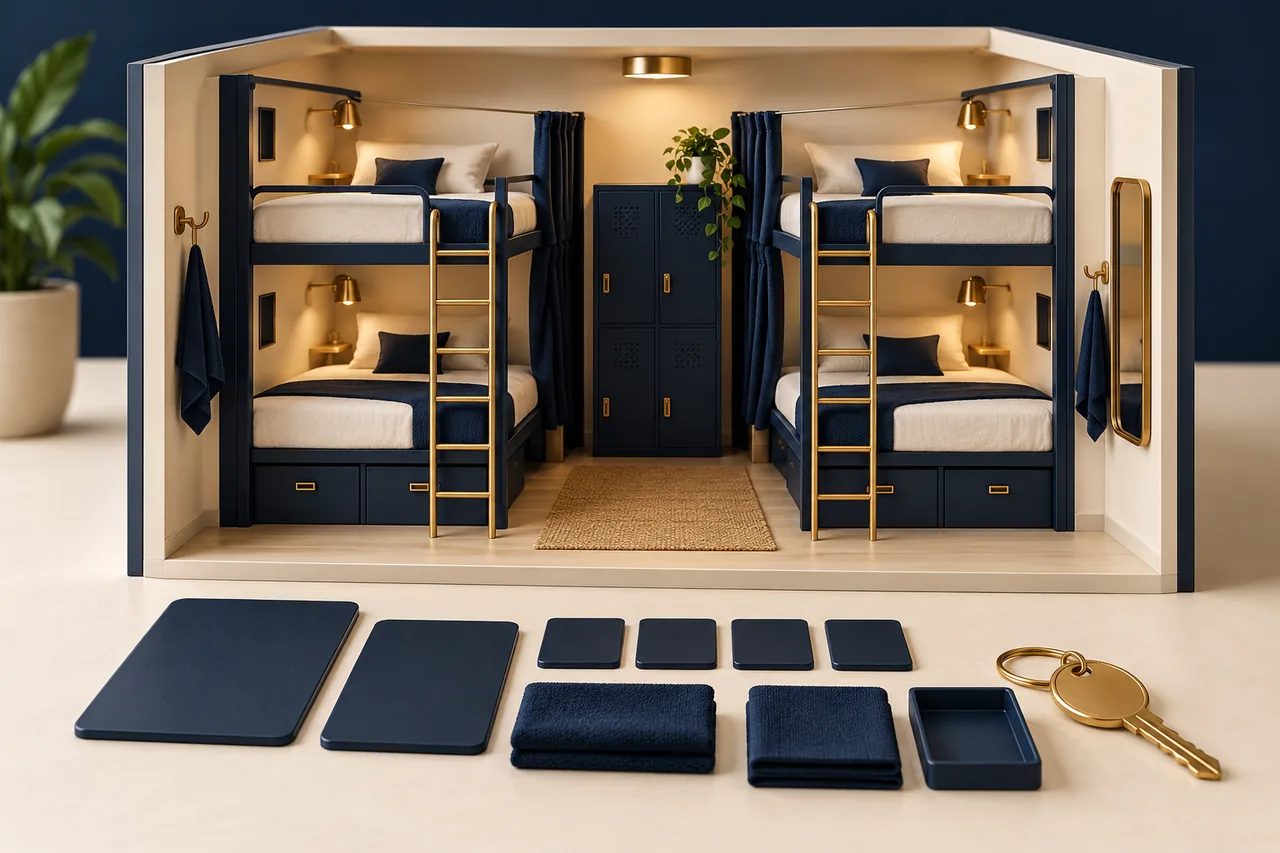
A six-bed dormitory is one physical room, but it may contain six separately sold places. That difference should lead a hostel’s software selection. A reservation calendar can look convincing while still treating the whole dormitory as one unit. Ask what becomes unavailable when one guest books, then test the answer with real dates.
Cloudbeds’ accommodation documentation distinguishes private accommodation from shared dormitory beds. Its hostel page provides vendor context. Neither source confirms BirOtel’s capabilities; use your own inventory model to evaluate each product.
Define the unit you actually sell
Start with a written list of physical rooms and the commercial unit offered in each. For a private room, one reservation normally removes the whole room from sale, regardless of whether one or two guests arrive. For an individually sold dorm bed, the other available beds must remain sellable for the same dates.
The general PMS guide explains the broader operational role. Hostel selection adds a narrower requirement: the software must represent your selling unit correctly. Likewise, a room labelled “six-person dormitory” does not prove that six independent reservations can coexist. The room types and capacity guide helps distinguish a descriptive category from a count of available units.
Record any assignment rules, such as named beds, lower-bunk requests or restrictions for a particular dormitory. Separate mandatory rules from preferences. A note that staff must remember is different from a rule the system enforces, so ask the demonstrator to identify which behaviour is actually supported.
Bring a small fictional property to the demo
Use this original training example: a hostel has two six-bed dormitories, A and B, and one private room, P. Each dorm bed is sold separately; P is always sold as a whole. Across three nights, there are 36 possible dorm bed-nights and three possible private room-nights before any blocks.
| Test | Expected result in the example |
|---|---|
| Book bed A1 for three nights | Three bed-nights sold; 33 dorm bed-nights remain |
| Book P for two nights | Two room-nights sold; one private room-night remains |
| Block bed B6 for one night | One bed-night removed; the other five beds in B remain available |
| Block all of B for one night instead | Six bed-nights removed; A and P remain unaffected |
Run the last two tests separately from the same starting state. Otherwise, an existing bed block may hide whether the room-wide action works correctly. Check each individual date as well as the total: three free bed-nights scattered across different beds do not necessarily provide one guest with the same bed for three consecutive nights.
Keep bed-nights and room-nights in separate report lines. Adding them creates an ambiguous total with unlike units. Ask what the occupancy denominator includes, whether maintenance blocks reduce it, and whether the report counts physical capacity or sellable capacity. Write the chosen definition beside the result.
Test overlapping whole-dorm sales
Some hostels also sell dormitory A privately to one group. That creates overlapping inventory: the whole dorm and its six individual beds use the same physical space. Creating a second, independent room type for the whole dorm can leave the beds available after the group books.
Require a live demonstration in both directions. First reserve A as a whole and try to book A1 for an overlapping night. Then reset, reserve A1 and try to sell all of A. Verify cancellations and date changes reopen only the correct availability. Ask the vendor to document any required feature, configuration, plan or limitation. A verbal “we support hostels” is insufficient evidence.
Check the working shift, then decide
Move one guest from A1 to A2 during a stay and inspect both dates and account history. Release a departed bed for cleaning while other guests remain in A. The housekeeping and room status guide explains readiness checks; your demonstration must establish whether these apply to an individual bed or the entire room.
Save a short acceptance sheet with the scenario, expected result, observed result and unresolved issue. Let the employee who will use the system repeat the essential steps. Purchase only when mandatory scenarios pass in the configuration you will receive, with costs and remaining manual work understood.
Frequently asked questions
Can a hostel use a room-based PMS? It may fit a property selling only whole private rooms. Selling individual beds requires additional inventory behaviour that must be demonstrated.
Is a dorm’s guest capacity proof of bed inventory? No. Capacity describes how many guests fit; bed inventory must allow separate reservations, availability and blocks for those places.
Is BirOtel confirmed for individual hostel beds? No. BirOtel’s confirmed scope is a room-based PMS with Azerbaijani and English interfaces. Bed-level inventory is unconfirmed. Bring this checklist to a small-property software demonstration and verify fit before purchasing.
These guides are published by BirOtel. General methods, illustrative examples and current product capabilities are identified separately. Sources appear beside the relevant explanations.
[email protected]Explore these workflows for your own hotel
Use your room inventory and daily tasks to assess whether BirOtel fits your hotel in a live demo.